AVP Research Foundation | Clinical Care, Research & Ayurvedic Education
AVP Research Foundation
Education Overview

Talk to Our Team
+91 9790422100
AVP Research Foundation Education
AVP Research Foundation Education is one of the three core pillars of the foundation, alongside Clinic and Research. Through education, training and knowledge sharing, we aim to support students, healthcare professionals, researchers and learners who are interested in Ayurveda.
Our education initiatives provide opportunities to learn about Ayurveda through structured programmes, practical exposure, training activities, workshops and knowledge-sharing initiatives.
Our Approach to Ayurveda Education
Ayurveda has a rich tradition of knowledge developed through generations of learning and clinical practice. At AVP Research Foundation, we believe education plays an important role in preserving this knowledge while encouraging continued learning, research and practical understanding.
Our Ayurveda Education initiatives aim to create learning opportunities that connect traditional Ayurvedic principles with clinical experience, research and contemporary healthcare needs.
We encourage learners to approach Ayurveda with curiosity, discipline and a willingness to understand both its foundational concepts and their practical applications.
Courses and Training
Our Ayurveda Courses and Training opportunities are designed for learners with different interests and educational backgrounds.
Depending on the programme, learning opportunities may include:
- Ayurveda-focused courses
- Practical training programmes
- Workshops and seminars
- Internship opportunities
- Research-oriented training
- Clinical learning experiences
- Skill-development programmes
- Knowledge-sharing sessions
Programme eligibility, duration, curriculum and other requirements may vary depending on the individual course or training opportunity.
Learning Through Practical Experience
Education can become more meaningful when learners have opportunities to connect theoretical knowledge with practical experience.
Where appropriate, our programmes may provide exposure to clinical environments, research activities, educational projects and other professional settings.
This can help students and learners understand how Ayurveda knowledge is applied in different areas of healthcare, research and education.
Ayurveda Education and Research
Education and research are closely connected at AVP Research Foundation.
The Research pillar provides opportunities to explore questions related to Ayurveda, healthcare and clinical practice. Educational activities can introduce learners to research concepts, scientific thinking, documentation and knowledge development.
This connection between Ayurveda Learning and Research encourages students and professionals to look beyond textbook learning and develop a deeper understanding of the subject.
Learning Opportunities for Students
Students interested in Ayurveda can explore different learning opportunities based on their educational background and interests.
Our programmes may be relevant to students looking for:
- Practical exposure
- Internship opportunities
- Research experience
- Short-term training
- Workshops and seminars
- Ayurveda knowledge development
- Academic project opportunities
Specific eligibility requirements will depend on each programme.
Opportunities for Healthcare Professionals
Education is not limited to students.
Healthcare professionals can also benefit from continuous learning, professional training, workshops and knowledge-sharing activities.
Our educational initiatives may provide opportunities to explore specific areas of Ayurveda, research, clinical practice and related healthcare topics.
Continuous learning can help professionals stay engaged with developments in their field and expand their knowledge.
Our Three Pillars
Education is an important part of the wider work of AVP Research Foundation.
Our three pillars are:
Clinic
AVPRF Speciality Ayurveda Clinics focus on patient care and Ayurveda healthcare.
Research
The Research pillar focuses on research activities, knowledge development, publications and collaborative projects.
Education
The Education pillar focuses on courses, training, internships, workshops, learning and knowledge sharing.
Together, these three pillars create a connected environment where healthcare, research and education can support one another.
Building Knowledge for the Future
The future of Ayurveda depends on continued learning, research and responsible clinical practice.
Through Ayurveda Education Programmes, AVP Research Foundation aims to support learners and professionals who want to understand Ayurveda and contribute to its continued development.
We encourage an approach to learning that respects traditional Ayurvedic knowledge while remaining open to research, evidence, new ideas and changing healthcare needs.
Explore Our Education Programmes
Explore the available courses, training programmes, internships, workshops and other educational opportunities offered through AVP Research Foundation.
Each programme page will provide relevant information about eligibility, duration, curriculum, fees, application process and other requirements where applicable.
Whether you are a student beginning your learning journey, a healthcare professional looking to expand your knowledge or someone interested in Ayurveda, our education initiatives provide opportunities to learn and grow.
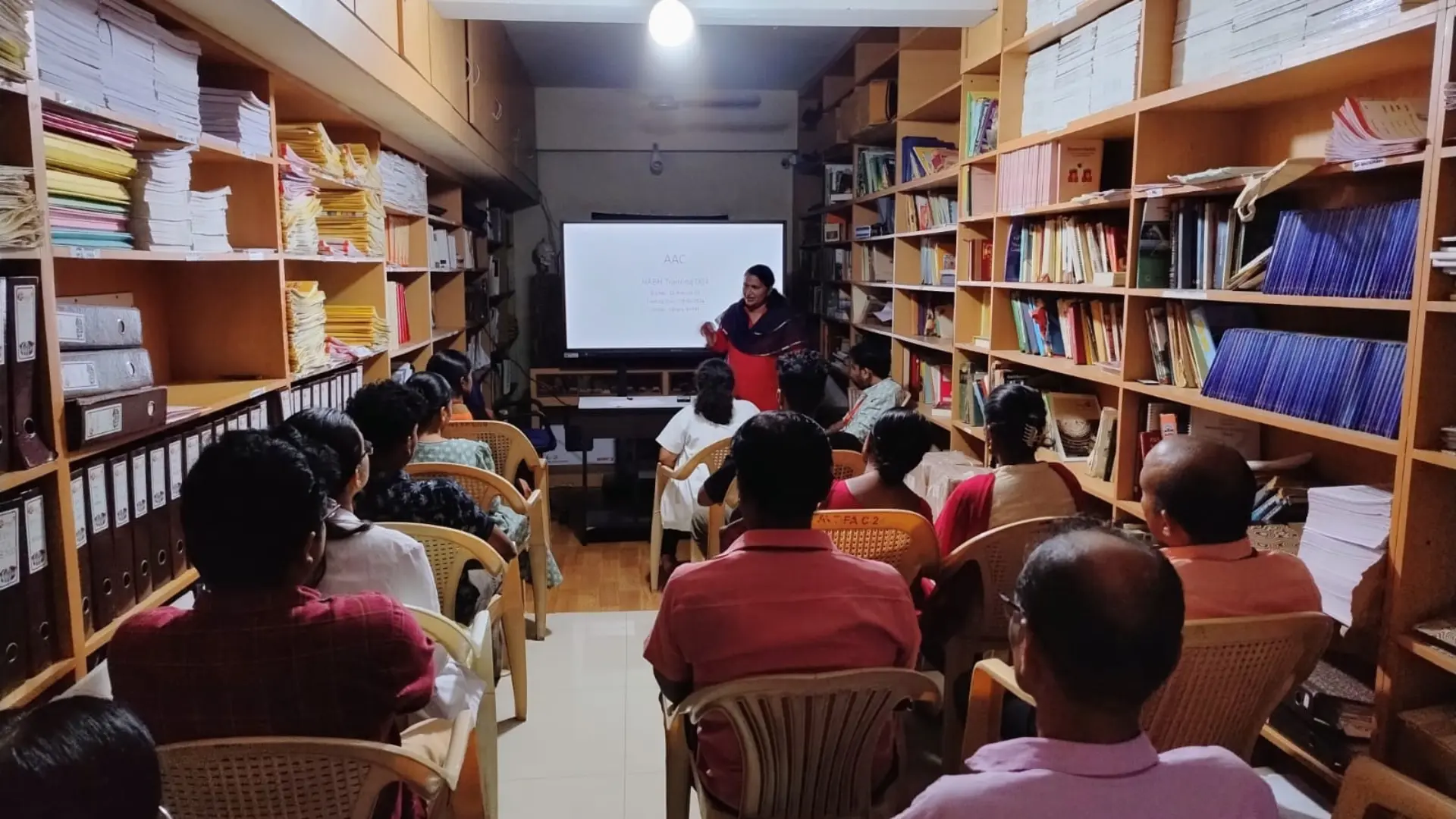
Workshops on text-based learning
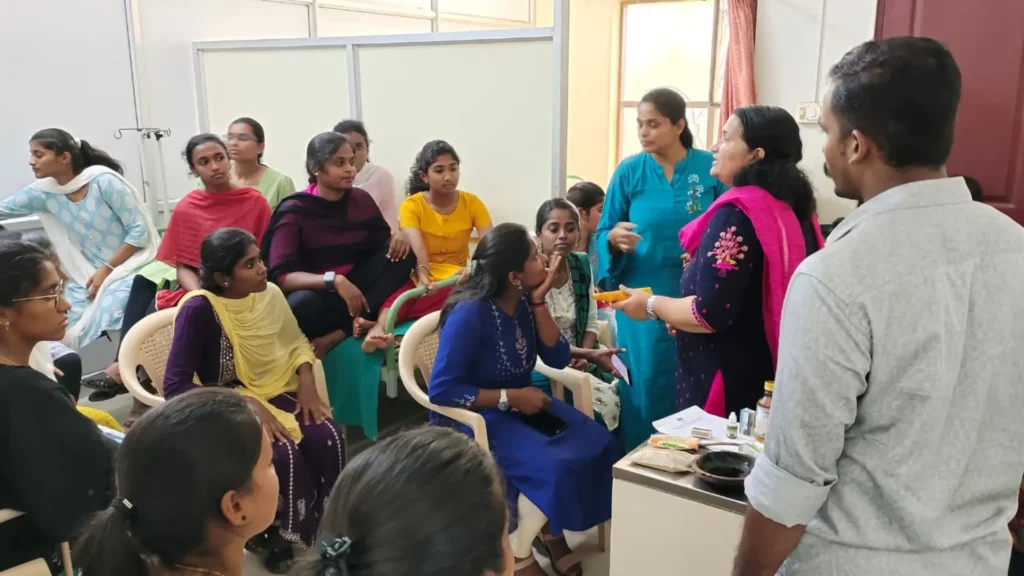
Internship training
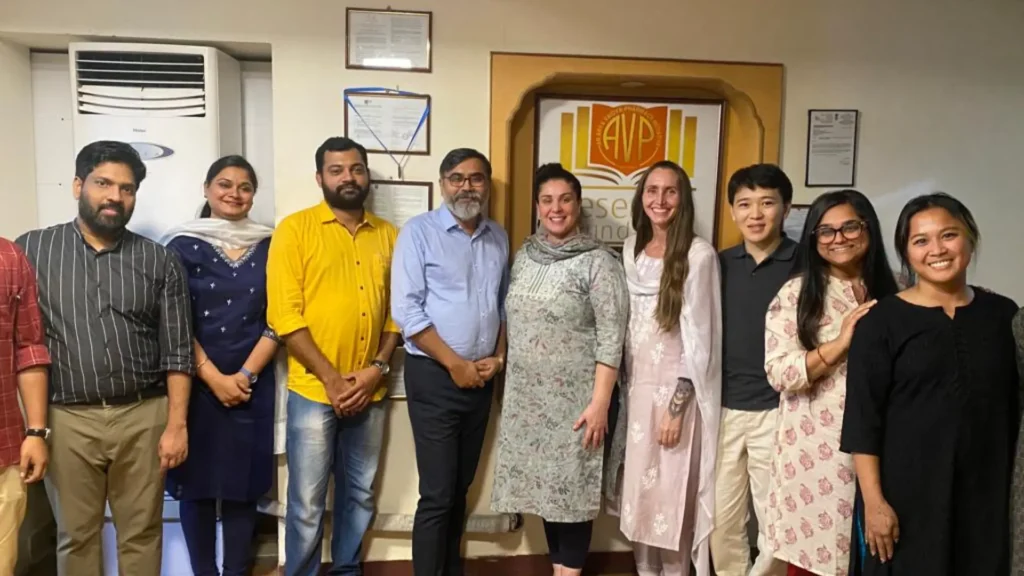
International training programs
In our international training programs, we welcome you to immerse yourself in authentic Ayurvedic practices and holistic healing techniques. Together, we explore Ayurveda’s global relevance, empowering you to apply its principles effectively across diverse cultural and healthcare settings.

E-courses/Higher proficiency courses
Learn, Explore and Grow
At AVP Research Foundation, education is more than classroom learning. It is a continuous process of exploring knowledge, gaining practical experience, asking questions and sharing what we learn.
Through our Clinic, Research and Education pillars, we aim to create an environment that supports learning and contributes to the wider understanding of Ayurveda.
Explore AVP Research Foundation Education and discover opportunities to learn, train, research and grow in the field of Ayurveda.
Reviving the intimate, person centric Educational Methodologies of Ayurveda
In the past, Ayurveda education followed the ‘guru-siṣya-sampradaya,’ where teachers and students lived together, engaged in active learning. This method was personalized and practical. In contrast, the modern system is impersonal, syllabus-based, and often lacks personal interaction. The AVP Group introduced the ‘Coimbatore Model of Ayurveda Education,’ blending traditional teaching methods with modern aesthetics. This model aimed to enhance the Ayurveda learning experience and was implemented in the 1970s in Coimbatore, India.
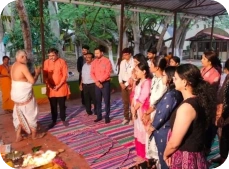
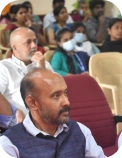
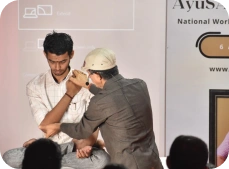
The ‘mukhāmukhaṃ’ tradition means “face-to-face” teaching, where a qualified teacher imparts Ayurvedic knowledge directly to a student. It’s a personal and intimate way of learning, emphasizing trust and respect between the teacher and student. This method was personalized and practical. In contrast, the modern system is impersonal, syllabus-based, and often lacks personal interaction.
The AVP Group under Dr. PR Krishnakumar, introduced the ‘Coimbatore Model of Ayurveda Education,’ blending traditional teaching methods with modern aesthetics. This model aimed to enhance the Ayurveda learning experience and was implemented in the 1970s in Coimbatore, India.
- Mutual respect between teachers and students
- There is huge role for classical text-based learning in Ayurveda
- Beyond the text rich knowledge through the oral traditions are also taught.
- Value of Apprenticeship in Ayurveda Education.
Personalized learning and practical exposure for all.
The AVP Research Foundation plays a significant role in enhancing Ayurveda education. It offers programs for students, practitioners, and doctors, conducts training on research, and the focus is on educational methodologies to improve the learning experience.